I used to believe these myths. I thought a cheap hat from a discount store would protect me on the coldest days. I was wrong. I ended up buying four different cheap hats that all failed. They let wind in. They soaked up sweat. They fell apart fast.
These lies about women's snow beanie with ear coverage cost me $200 in wasted money and many uncomfortable hours outside. Here is the truth about what you need in a real winter cycling or skiing hat.
The Myth: Any thick knit hat keeps your head warm enough.
The Lie: Cheap acrylic traps moisture right next to your skin. When you stop moving, that sweat quickly turns cold. This makes you freeze faster than if you had no hat at all. Plus, cheap materials pill and wear out after one wash.
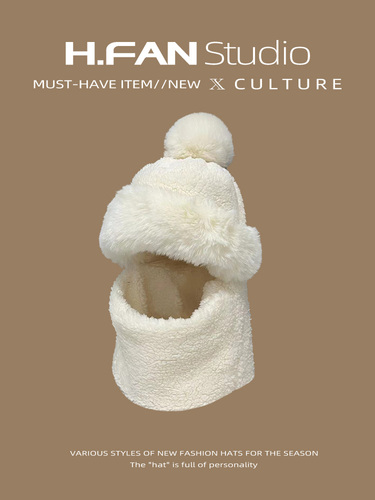
The Truth: You need specialized lining. The best hats, like the New Winter Cycling Masked Ear Protection hat, use plush, thick fleece inside. This inner layer pulls sweat away from your head. It keeps the warmth in and the cold out. It’s what makes the difference between a miserable trip and an "Unforgettable Experience."
The Myth: If the hat pulls down over your ears, you are safe from the cold.
The Lie: When wind hits your face and neck, your whole body feels cold. Simple ear flaps leave huge gaps under your chin and across your cheeks. If you are cycling fast, that cold air rushes right in.
The Truth: You need a full system. Look for a design that integrates a face mask and neck cover into the beanie itself. This creates a solid barrier. High-quality designs cover your neck and seal up the air gaps. Staff who care about quality make sure their products are "1st rate" and offer full protection, not just partial coverage.
The Myth: If a listing says "Unisex," it fits men, women, and teens perfectly.
The Lie: Most cheap hats are truly "one-size-fits-most-poorly." If the hat is too small, it rides up and gives you a headache. If it’s too big, it slips over your eyes and lets wind blow up the sides, defeating the purpose of a women's snow beanie with ear coverage.
The Truth: Fit is everything. Good companies tell you the size range, like the 56-58cm listed for this specific product. This attention to detail shows the seller understands that custom fit and sizing matter a lot. Just like great staff help a customer "bring my vision to life" by ensuring a perfect fit, a quality beanie maker nails the measurements.
Here is what you must check: